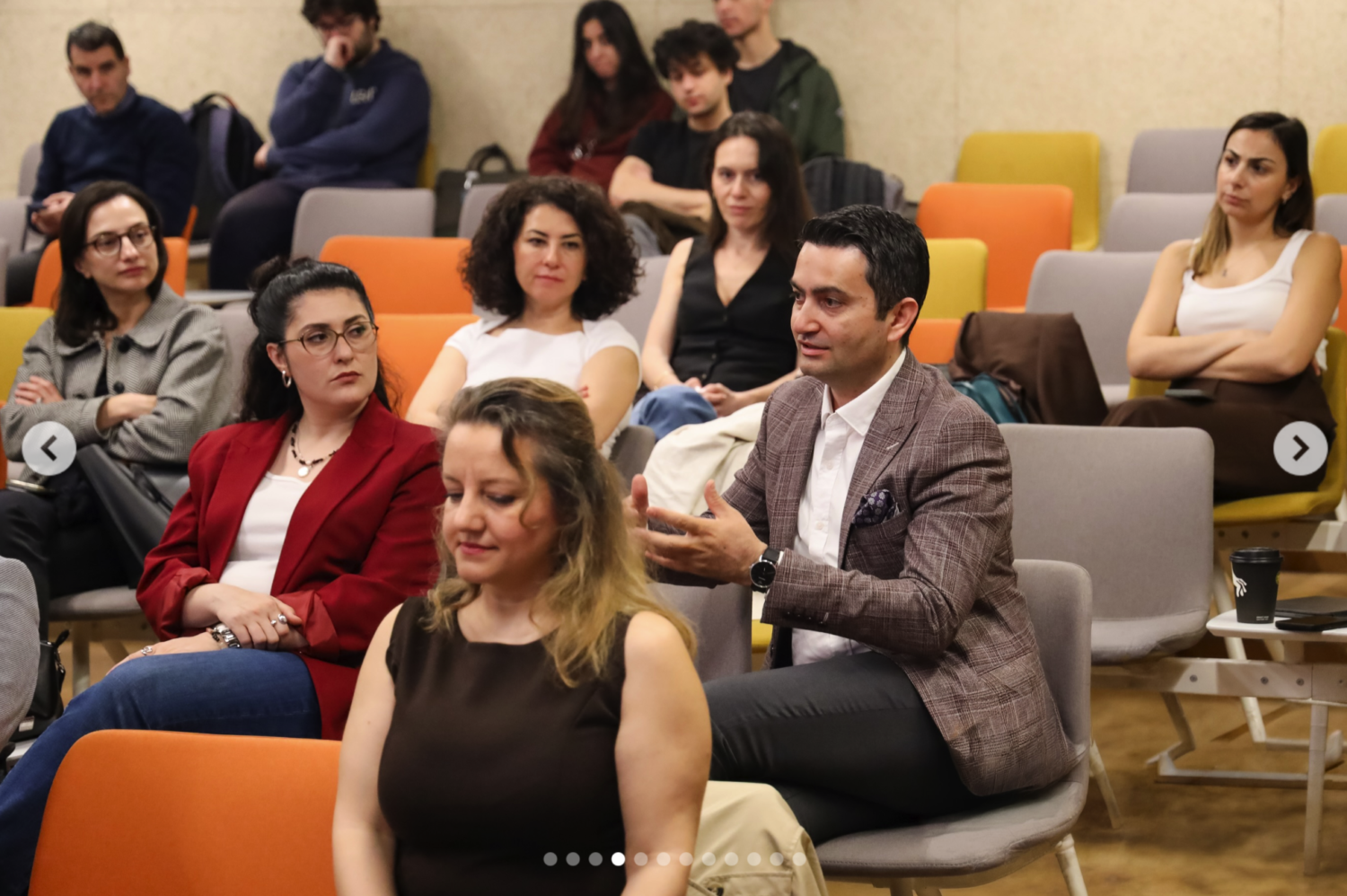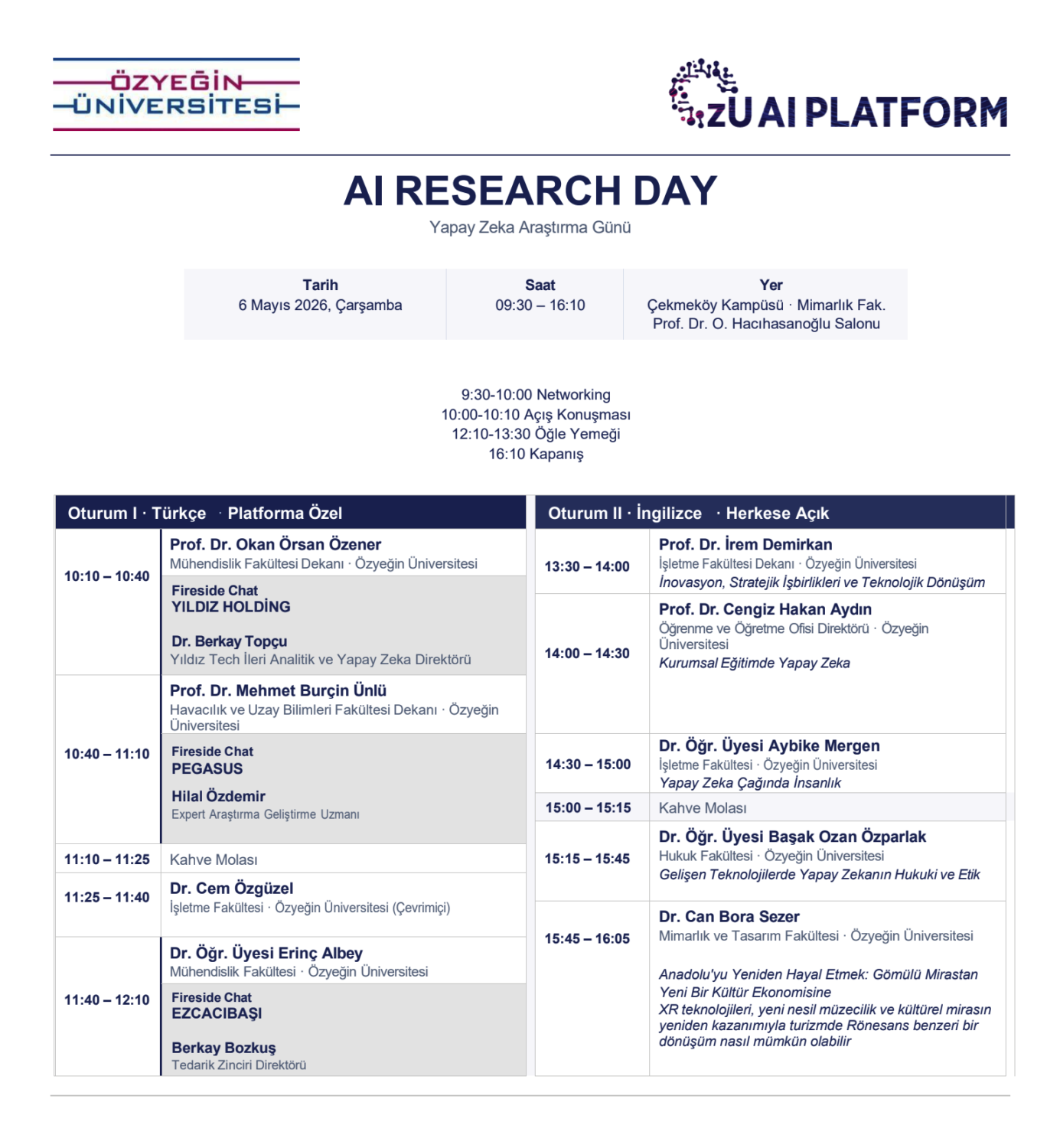
At the “OzU AI Research Day held on the 6th of May Artificial Intelligence Research Day” hosted by Özyeğin University, academics and industry professionals came together to discuss the transformative impact of artificial intelligence through interdisciplinary perspectives spanning technology, education, law, business, and design.
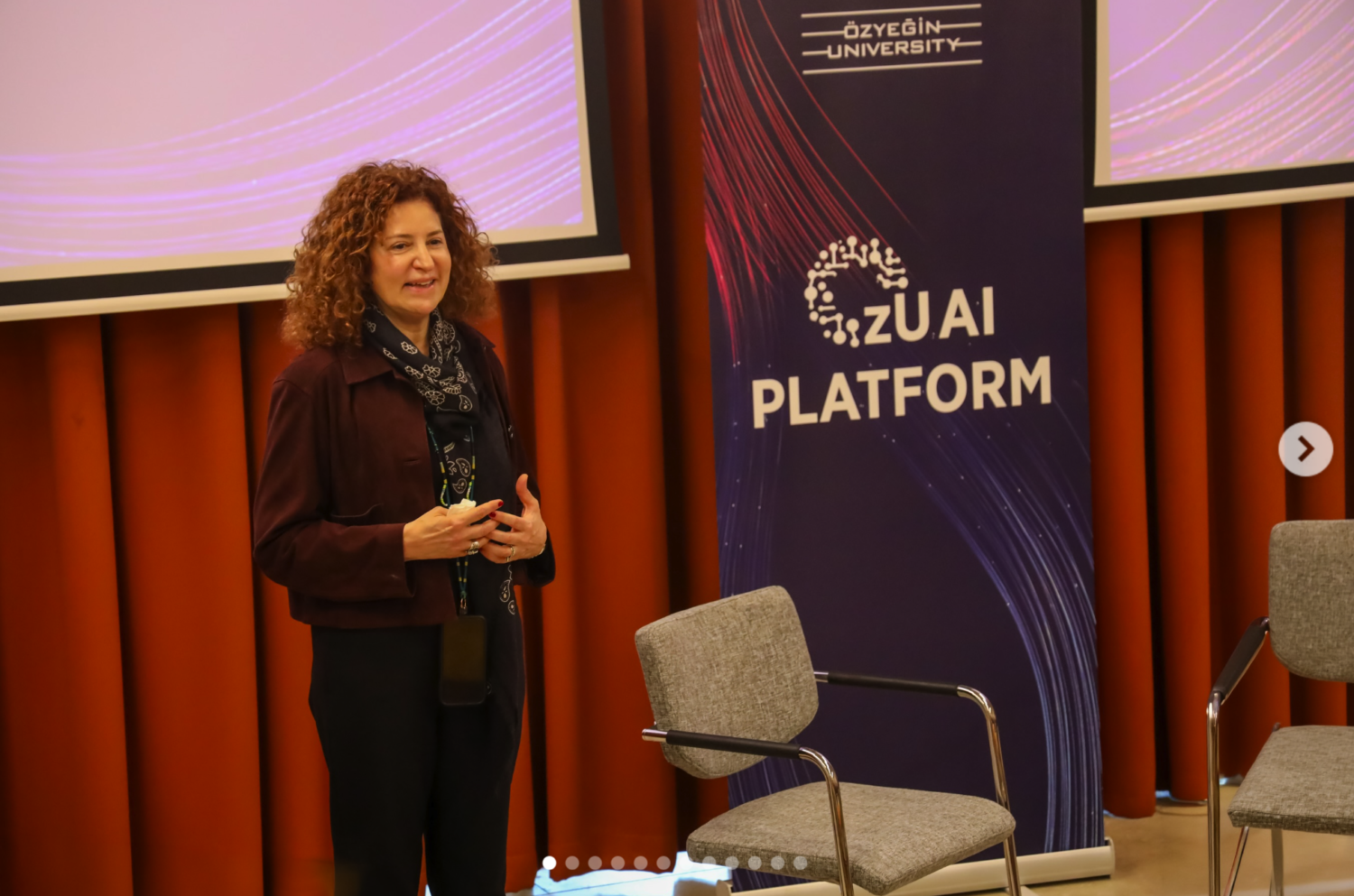
Organized under the OzU AI Platform, the event highlighted emerging AI research, academic-industry collaborations, and the future implications of intelligent technologies across multiple disciplines. The opening speech was delivered by Strategic Partnerships Director Ayşe Nida Bektaş.
In the public afternoon sessions, Faculty of Business Dean Prof. Dr. İrem Demirkan, Director of the Learning and Teaching Office Prof. Dr. Cengiz Hakan Aydın, International Trade and Business faculty member Dr. Aybike Mergen, Faculty of Law faculty member Dr. Başak Ozan Özparlak, and Communication and Design faculty member Bora Sezer explored the multidisciplinary impact of artificial intelligence across innovation, education, ethics, law, cultural heritage, and immersive technologies.
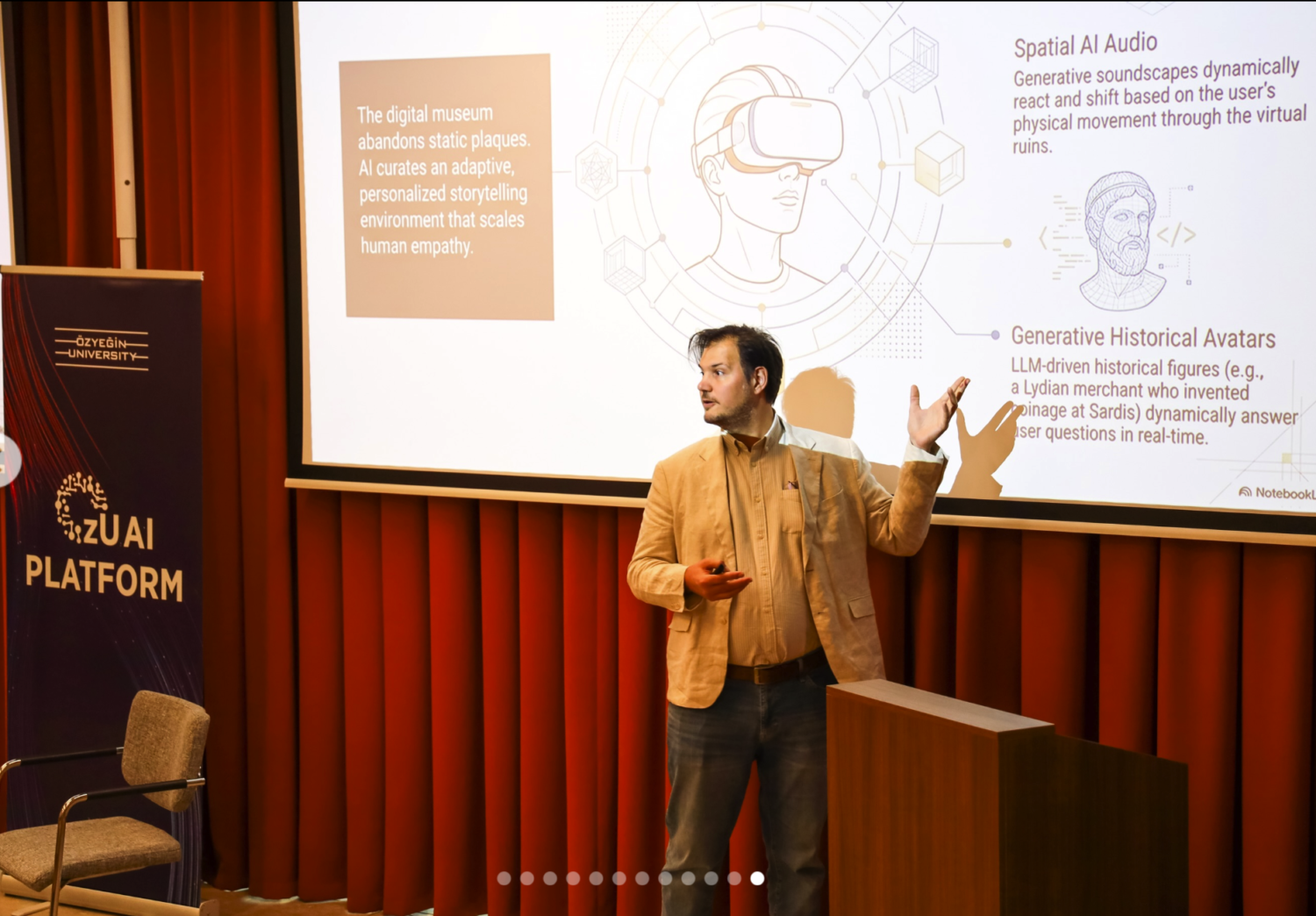
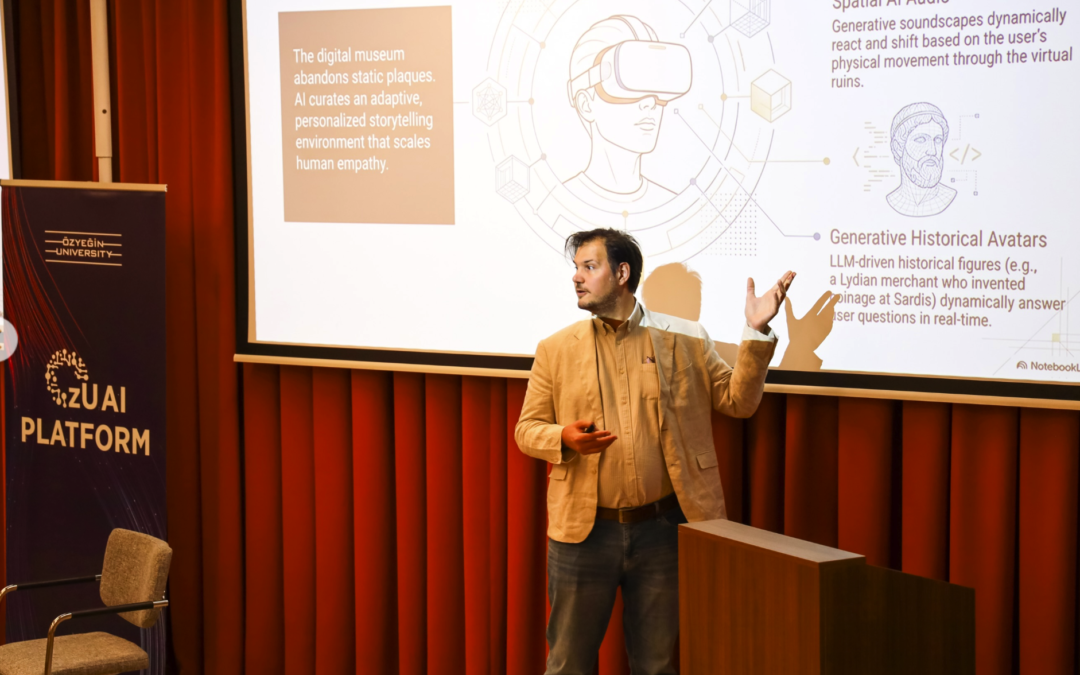
During his presentation, Bora Sezer focused on the intersection of XR technologies, artificial intelligence, and cultural heritage visualization. Drawing from his work at the OZU VR Lab, Sezer discussed how AI-supported workflows, Virtual Reality (VR), Augmented Reality (AR), photogrammetry, and digital reconstruction technologies are reshaping the ways historical environments and artifacts can be experienced, preserved, and communicated to broader audiences.
His presentation, titled “Reimagining Anatolia: From Buried Heritage to a New Cultural Economy/Industry”, explored how immersive technologies and AI may contribute to a new generation of cultural production and next-generation museology. Sezer emphasized that Anatolia’s layered civilizational heritage represents not only an archaeological and historical value, but also a major cultural and creative potential capable of generating new forms of tourism, education, storytelling, and digital experience design.
The presentation also addressed how traditional museum experiences often struggle to communicate the original context, atmosphere, and emotional impact of historical environments. Through VR experiences, AI-assisted reconstructions, interactive storytelling, and immersive exhibitions, historical spaces can be digitally reanimated and transformed into accessible experiences that engage contemporary audiences more directly and emotionally.
Sezer further discussed the role of AI in accelerating creative workflows related to reconstruction, visual interpretation, immersive exhibition design, and large-scale cultural visualization projects. He highlighted how AI and XR technologies together may help bridge the gap between archaeology, communication design, entertainment, education, and tourism, opening new possibilities for interdisciplinary collaboration and cultural innovation.
OzU AI Research Day reflected Özyeğin University’s commitment to interdisciplinary AI research, emerging technologies, and experimental approaches that connect academia, industry, design, and cultural heritage through future-oriented thinking.